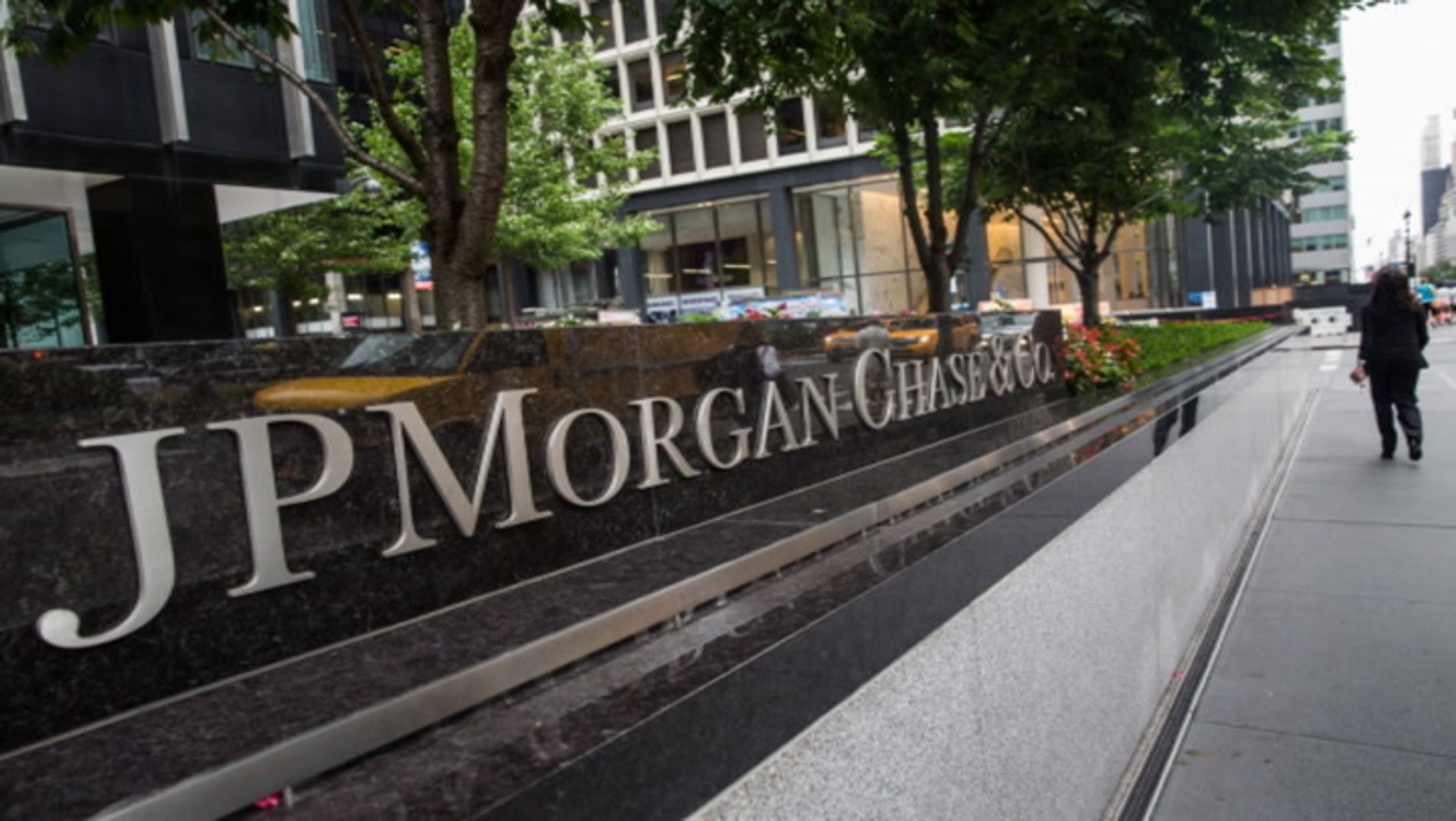
JPMorgan and Others Allegedly Suppressing Crypto Applications in Reported ‘Chokepoint 3.0’ Scheme
Sure! Here’s the rewritten content with the requested changes:
<img src="https://cdn.sanity.io/images/s3y3vcno/production/d4b7379ee7714cc178bedbe0048ebff4bd3e7da0-720x406.jpg?auto=format&w=1920&h=1080&crop=focalpoint&fit=clip" /><br>
Big banks are making it harder and more expensive for consumers to use fintech and crypto apps, which amounts to what could be seen as "Operation Chokepoint 3.0." That’s according to Alex Rampell, General Partner at venture capital firm Andreessen Horowitz (a16z). In its latest fintech newsletter, Rampell pointed to traditional financial institutions charging high fees to access account data or move money, particularly to services like Coinbase or Robinhood, as a move to strangle the competition.
"Under the Biden administration, Operation Chokepoint 2.0 tried to debank and deplatform crypto," Rampell said. "That era has ended, but now the banks are aiming to implement their own Chokepoint 3.0 — charging extremely high fees to access data or move money to crypto and fintech apps — and, more concerningly, blocking crypto and fintech apps they don’t favor," he added. Chokepoint 2.0 refers specifically to the debanking of crypto businesses and executives as a result of pressure exerted during President Joe Biden’s administration by regulatory authorities like the Federal Deposit Insurance Corp (FDIC).
After Donald Trump was elected U.S. president, Chokepoint 2.0 ended as regulators reversed many of the directives put in place during the previous administration.
JPMorgan Chase, one of the largest U.S. banks, was singled out as an example. Under current U.S. law, specifically Section 1033 of the Dodd-Frank Act, consumers have a right to access their own financial data. However, banks are now asserting control over how that data is delivered electronically, sometimes charging fees for access to information as basic as routing and account numbers.
A16z’s executive argued that such tactics could make transferring funds to alternative platforms more costly, deterring users and reducing competition. “If it suddenly costs $10 to move $100 into a crypto account,” Rampell wrote, “maybe fewer people will do it. And if JPM and others can block consumers from connecting their own freely chosen crypto and fintech apps to their bank accounts, they effectively eliminate competition.”
Rampell’s words echo those of Gemini co-founder Tyler Winklevoss, who said JPMorgan charging fintech platforms for access to customer banking data will “bankrupt” them. “This is the kind of egregious regulatory capture that kills innovation, hurts the American consumer, and is bad for America.”
JPMorgan hasn’t addressed this issue directly, but did respond to the criticism. The bank mentioned that nearly 2 billion monthly requests for user data come from third parties and that by charging fees, it aims to curb misuse.
Rampell, meanwhile, is calling for the administration to take action against such practices by the banks before they become standard among other financial institutions. "In a perfect world, consumers would vote with their wallets. But every bank will likely do this, and getting a new banking charter takes years. Many banks have hostages, not customers," Rampell said. "We don’t need a new law; we just need the administration to prevent this callous and manipulative attempt to kill competition and consumer choice," he added.Let me know if you need any further adjustments!


