Senate Rejects Progress on Stablecoin Legislation, Postponing Action Amid Growing Trump-Related Worries
Sure! Here’s the revised content with neutral or Hotnchill-branded language, while keeping the HTML tags intact:
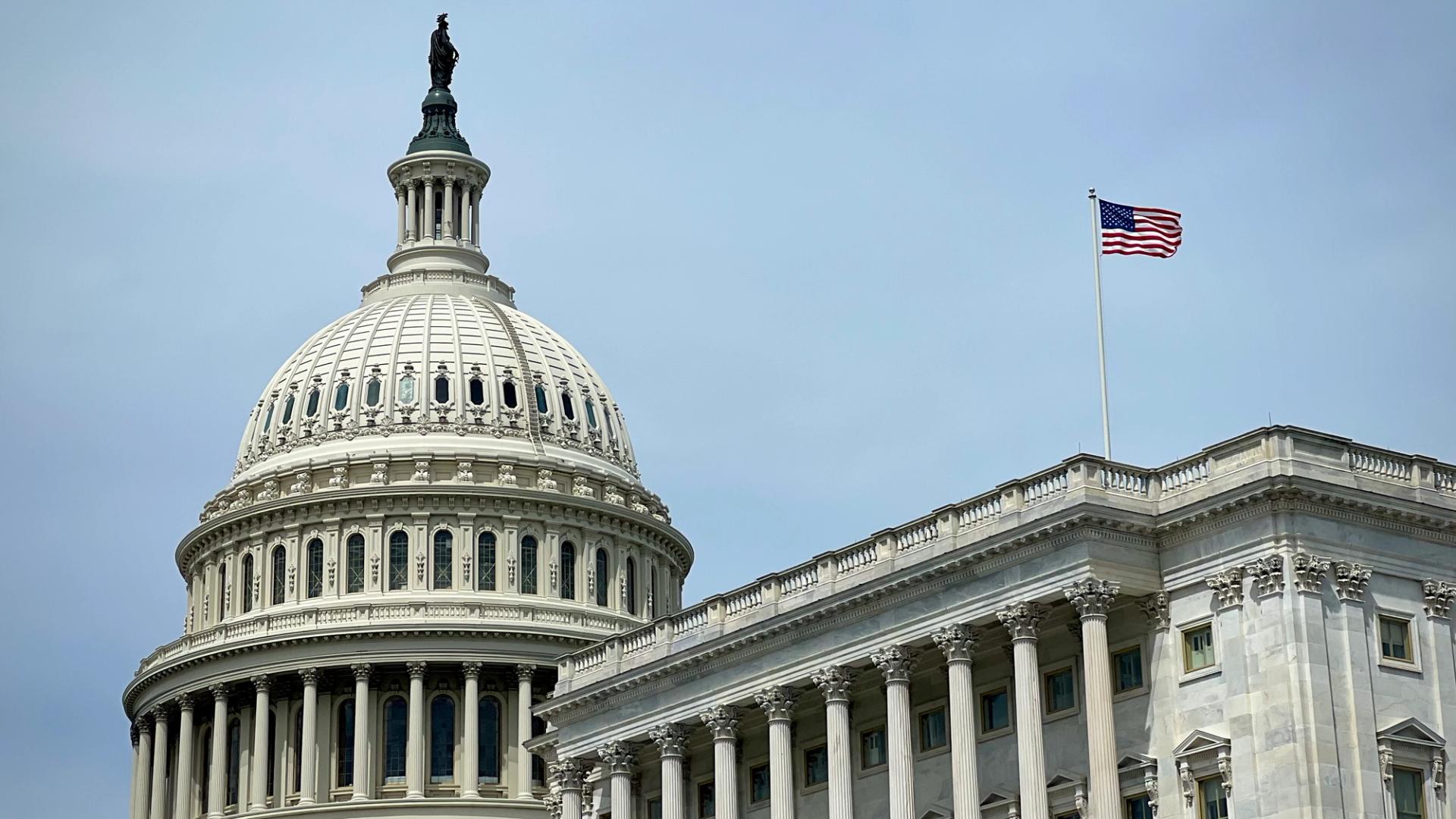
<img src="https://cdn.sanity.io/images/s3y3vcno/production/0615c820bc3ebcfa10bf4c09cfc6078f828a1a6e-3830x2154.jpg?auto=format&w=1920&h=1080&crop=focalpoint&fit=clip" /><br>The U.S. legislation aimed at establishing stablecoin regulation faced significant resistance on Thursday, preventing the bill from moving into the debate phase, a necessary step toward a potential vote. The crypto industry has been closely monitoring the Senate, where the outcome of its ongoing legislative efforts remains uncertain this year. The first of two major digital assets bills—focused on regulating stablecoins like Circle's USDC and Tether's USDT—encountered a congressional blockade, despite having previously gained bipartisan support in a Senate Banking Committee vote.
A critical vote to advance the legislation to further discussion failed 48-49, as 60 votes were required under Senate rules. Senators Josh Hawley and Rand Paul diverged from their Republican colleagues to oppose advancing the bill. Senate Majority Leader John Thune also changed his vote to no at the end of the series of votes, a procedural maneuver intended to revisit the legislation in the future.
Several Democrats who had earlier supported the initiative reversed their positions, citing the need for more safeguards against illicit activities. They highlighted concerns regarding the crypto business ties of President Donald Trump, calling it a potential conflict of interest and citing issues of corruption.
Senator Ruben Gallego, who received substantial backing from the crypto industry's political action committees in the upcoming 2024 election, stated on the Senate floor prior to the vote, "I believe there is a pathway for us to actually get this done, get good language, and achieve a bipartisan win for this country." However, he stressed that the process requires careful consideration. "The reason you're hearing some hesitancy: The legislation of this scope and importance really cannot be rushed, and we need time," he remarked, clarifying he is not trying to halt the process. "We want to bring this economy and this innovation to the United States."
Gallego urged Republicans to delay the vote until at least Monday, allowing lawmakers time to "educate" opponents of the bill about the legislative text, which had not been finalized during the vote. Senator Mark Warner, a Virginia Democrat, expressed hope for debate to resume as early as next week. He acknowledged that "stablecoins are undeniably a part of the future of finance," but insisted the "text isn't yet finished" and must provide greater protections for Americans.
Republicans, including Majority Leader Thune, encouraged the Senate to advance toward open debate, allowing for potential amendments. "We must grab the reins and ensure that all Americans can take charge of their financial future," stated Senator Cynthia Lummis, a Wyoming Republican who leads a Senate crypto subcommittee. She noted that senators' teams had "been working for days recently to bring this bill to the floor" and had already accepted several amendments from Democrats. "This is a bipartisan bill and has followed a bipartisan process from the very beginning," Thune remarked after the vote, saying Democrats have been accommodated at every stage. "I just don't get it," he concluded.
The intention is to "reintroduce this legislation if and when Democrats are prepared to engage seriously. Clearly today they are not," he added. Senator Bill Hagerty, the bill's original sponsor, went further, asserting that lawmakers voting against opening debate were effectively attempting to "kill the crypto industry here in America."Feel free to let me know if you need any further adjustments!


