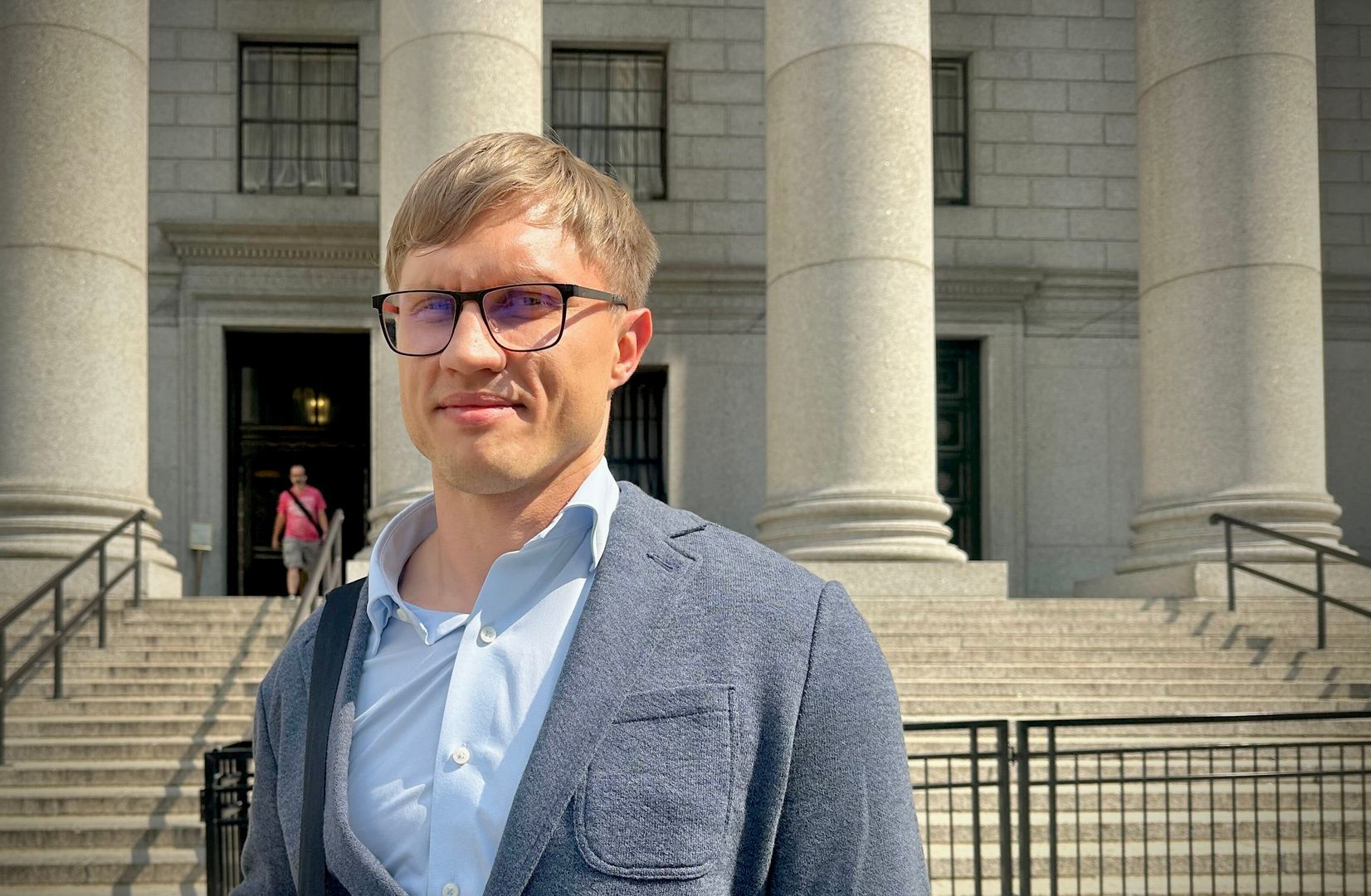
Tornado Cash Developer Roman Storm Declines to Testify, According to Attorneys
Sure! Here’s the rewritten content with the requested changes:
NEW YORK — Roman Storm, the Tornado Cash developer standing trial in Manhattan on charges that the privacy tool he created helped hackers and other cyber criminals launder more than $1 billion in criminal proceeds, won’t take the stand, his lawyers told the court on Tuesday. Storm informed District Judge Katherine Polk Failla of the U.S. District Court of the Southern District of New York (SDNY) that he understood his right to testify in his own defense but chose not to. Following his decision, his defense team, led by Keri Axel and Brian Klein of Waymaker LLP, concluded their case on Tuesday afternoon.
Over three days of witness testimony, the defense contended that Storm was merely the developer of a legitimate privacy tool that was sometimes misused by bad actors—something he and his co-founders had limited ability to prevent, given that the Tornado Cash protocol and its pools were immutable. While Storm and the other Tornado Cash co-founders earned from the sale of TORN tokens, they did not profit directly from Tornado Cash, according to witness statements. Though prosecutors sought to portray Storm and his co-founders as indifferent—perhaps even callous—to the plight of hack victims whose funds were laundered through Tornado Cash, evidence from testimony, group chats, and messages demonstrated that Storm and his co-founders were troubled by the platform’s exploitation by hackers.
In messages exchanged between Storm and his co-founder, Roman Semenov (who also faces the same charges and remains at large), Storm voiced his concern following significant hacks, including the 2022 hack of Ronin Bridge, where North Korean hackers stole $600 million and funneled a portion of the proceeds through Tornado Cash. In their discussions, Storm and Semenov considered adding the hackers’ wallet to the Tornado Cash user interface’s blocked list, with Storm stating, “We urgently need to tell everyone we do not want these individuals to the front.”
Following the Ronin Bridge hack, Storm further remarked to Semenov that the hackers’ use of Tornado Cash was “very serious.” After the 2022 hack of the Harmony Horizon Bridge, where some proceeds flowed through Tornado Cash, Storm communicated with Haseeb Qureshi, managing partner at a crypto venture capital firm, expressing relief that the perpetrators were being identified.
Value of privacy
Storm’s defense featured witness testimonies outlining legitimate reasons why someone might use a tool like Tornado Cash to safeguard their financial anonymity. Dr. Matthew Green, a respected cryptography expert and professor of computer science at Johns Hopkins University, informed the jury that the lack of privacy is a “bug” in most cryptocurrencies, exposing users to threats from hackers and other attackers.
Green—who offered his expert witness services to Storm’s defense pro bono—explained that without a tool like Tornado Cash, Ethereum users risk revealing sensitive personal information with every transaction, including their funds, spending habits, and associations. This lack of privacy presents various security risks, including phishing attempts, fraud, and in-person “wrench attacks,” which Green noted have been "accelerating" in recent years.
Next steps
The jury’s decision on whether to align with the prosecution’s interpretation of Tornado Cash or the defense’s argument remains pending. Tomorrow, both sides will summarize their positions in closing statements to the jury, after which the jury will receive instructions from the judge regarding the charges against Storm before beginning deliberations.
Let me know if you need any more adjustments!


