SEC’s Atkins: ‘The Majority of Crypto Assets Do Not Qualify as Securities’ in Groundbreaking New Perspective
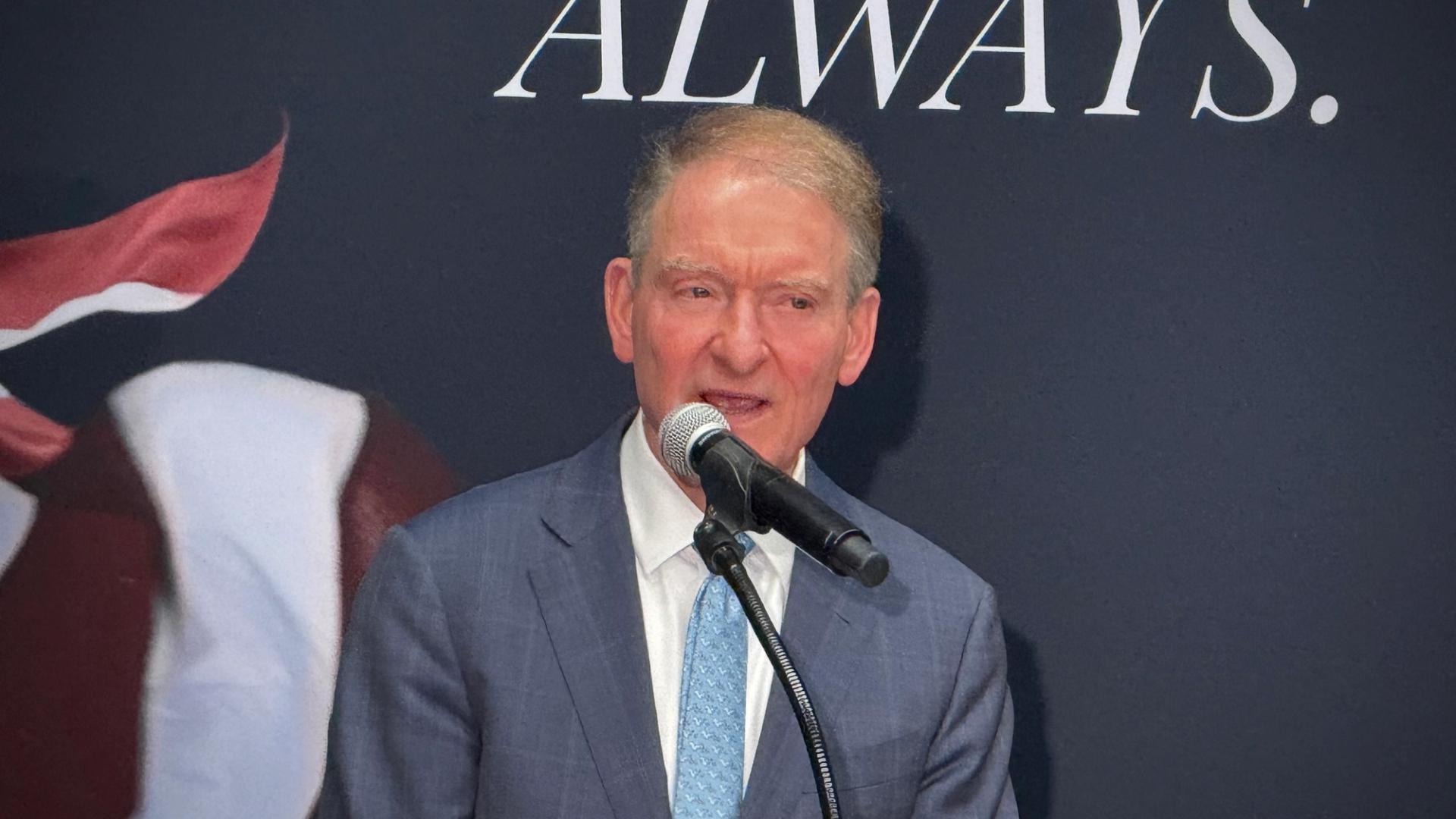
WASHINGTON, D.C. — Securities and Exchange Commission (SEC) Chairman Paul Atkins announced the initiation of “Project Crypto,” aimed at swiftly implementing the new crypto policies advocated by President Donald Trump. Atkins made this announcement during his speech at the America First Policy Institute, stating that the initiative will be based on the recommendations from the President’s Working Group report released by the White House.
He described the project as “a commission-wide initiative to modernize the securities rules and regulations to enable America’s financial markets to move on-chain.” “I have directed the commission staff to draft clear and simple rules for crypto asset distributions, custody, and trading for public notice and comment,” Atkins stated. “While the commission staff finalizes these regulations, we will consider utilizing interpretative, exemptive, and other authorities to ensure that outdated rules do not inhibit innovation and entrepreneurship in America.”
### Crypto as Securities
Atkins presented a notable shift from previous SEC Chairman Gary Gensler’s comments, where he indicated that a significant number of cryptocurrencies were likely securities requiring oversight. “Despite past statements from the SEC, most crypto assets are not securities,” Atkins said. He noted that ambiguity surrounding the “Howey test” has led some innovators to categorize all crypto assets as securities.
As Congress tackles intricate legislation to define crypto securities under new law, Atkins emphasized that his agency will begin addressing these questions immediately, developing “clear guidelines that market participants can use to ascertain whether a crypto asset is a security or subject to an investment contract.” He suggested that having a securities label should not carry a negative connotation. For crypto securities, Atkins has advised staff to propose suitable disclosures, exemptions, and safe harbors for items like ‘initial coin offerings,’ ‘airdrops,’ and network rewards.
He reiterated Trump’s vision for a “golden age” for digital assets in the U.S., stating, “We will bring back crypto businesses that left our country, particularly those affected by the previous administration’s regulations and enforcement actions.”
### Self-Custody, Super-apps
The chairman, who began his role this year after his appointment by President Trump, also championed self-custody of crypto assets. “I firmly believe in the right to use a self-custodial digital wallet to manage personal crypto assets and engage in on-chain activities like staking,” he remarked. “However, some investors may still prefer using SEC-registered firms, such as broker-dealers and investment advisers, to hold assets on their behalf, and these firms are bound by additional regulatory requirements.”
Atkins appeared to counter criticisms from Gensler regarding crypto firms providing a range of often conflicting services. He expressed his intent to “allow market participants to innovate with ‘super-apps'” that offer a “broad array of products and services under one license.” This would include enabling multiple asset types to be traded on a single platform, providing a scenario where “A broker-dealer with an alternative trading system could offer trading in non-security crypto assets alongside crypto asset securities, traditional securities, and other services—like crypto asset staking and lending—without needing numerous state licenses or multiple federal licenses.”
While the SEC has emerged as a leading regulator and enforcer in U.S. crypto trading in recent years, the future oversight structure proposed by Congress may elevate the Commodity Futures Trading Commission to a more central role. Consequently, Atkins’ Project Crypto may become less urgent as the sister agency takes on certain responsibilities.
Atkins also defended software developers, emphasizing the importance of “protecting pure publishers of software code, drawing reasonable boundaries between intermediated and disintermediated activity, and establishing practical rules for intermediaries that wish to operate on-chain software systems.”
UPDATE (July 31, 17:17 UTC): Adds more details from the speech.


